POP and PVC ceilings are two of the most commonly used ceiling materials in Nigeria today. POP ceilings are made from gypsum-based plaster, while PVC ceilings are manufactured from durable plastic panels. Nigerians often compare both options because they differ in cost, durability, moisture resistance, and design flexibility.
Choosing the wrong ceiling type can affect maintenance needs and long-term performance, especially in humid environments.
![DORESshop LED Night Light[2 Pack], Night Lights Plug into Wall, 3 Level Brightness Adjustable Plug in Night Light, Dusk to Dawn Sensor, Nightlights for Adults, Bedroom, Bathroom, Hallway, 3000K](https://ojaluminum.com.ng/wp-content/uploads/2026/01/image-7.png)
This guide explains the key differences between POP and PVC ceilings, their practical uses, cost considerations, and suitability for Nigerian homes, helping readers make informed decisions based on function rather than appearance alone.
What Is POP Ceiling?
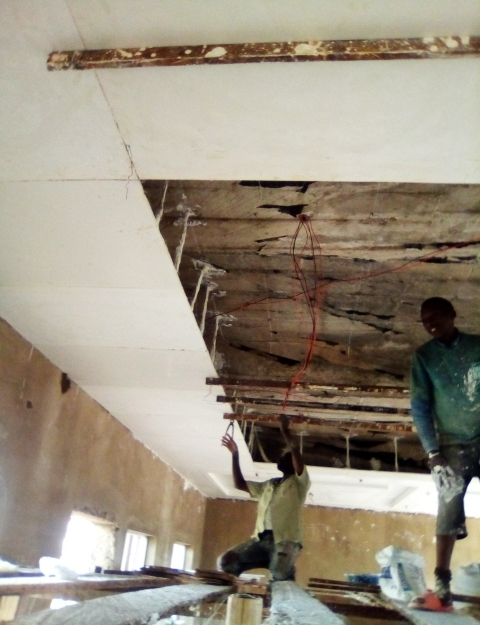
POP ceiling refers to ceilings made from Plaster of Paris, a fine white powder produced from gypsum. When mixed with water, it forms a smooth paste that hardens quickly. POP ceilings are created by casting the mixture into molds or applying it directly onto metal framing fixed to the slab.
Cost of Building a 3-Bedroom Flat in Benin City (2026 Updated Guide)
After setting, the surface is sanded and finished with paint. In Nigerian homes, POP ceilings are commonly used in living rooms, bedrooms, and offices because they allow decorative designs, recessed lighting, and clean finishes.
When properly installed and kept dry, a POP ceiling typically lasts 15–25 years. Its durability depends on workmanship, ventilation, and protection from water leaks.
What Is PVC Ceiling?
PVC ceiling refers to ceiling panels made from Polyvinyl Chloride, a lightweight synthetic plastic widely used in building materials. PVC panels are produced through an extrusion process, where melted PVC is shaped into long, hollow boards with smooth or patterned surfaces.
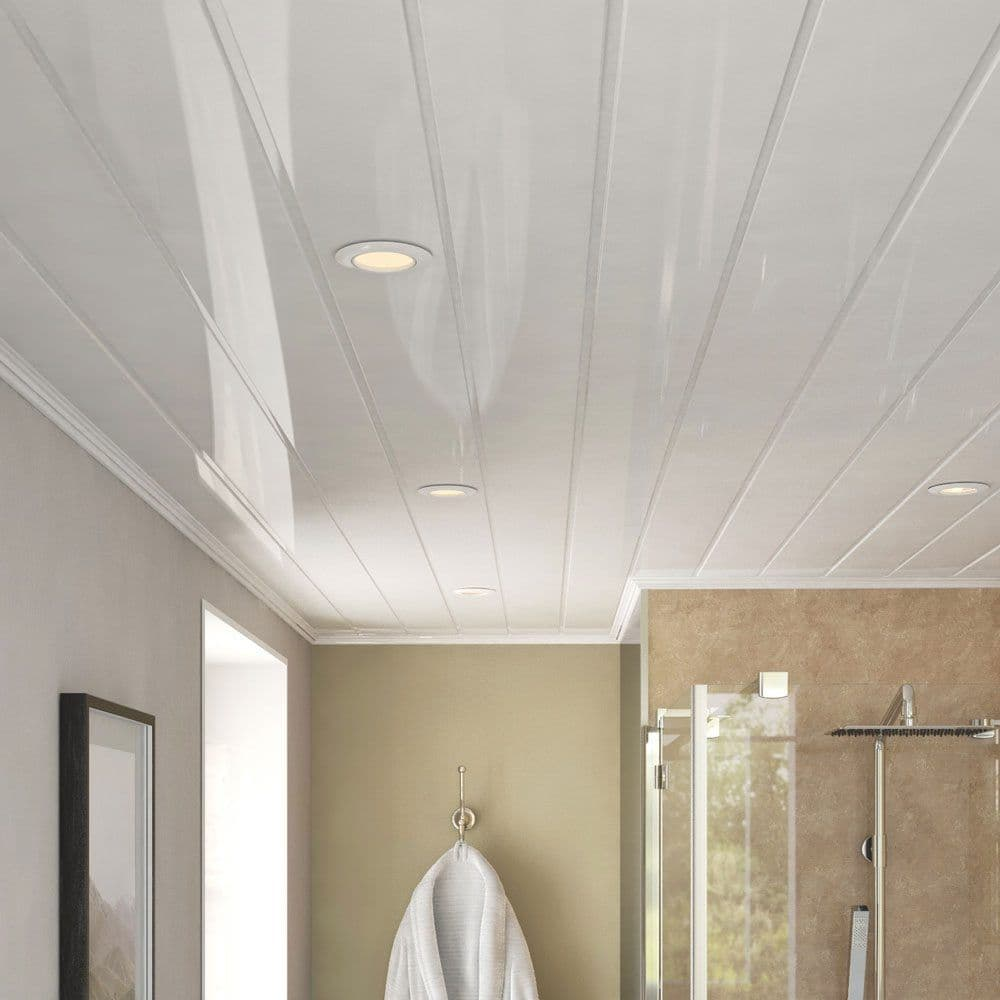
These panels are factory-finished and ready for installation. In Nigeria, PVC ceilings are commonly used in bathrooms, kitchens, offices, shops, and residential spaces where moisture control is important. They are also popular in coastal and high-humidity areas.
PVC ceilings are known for strong resistance to water, termites, and mold. With proper installation, they can last over 20 years without warping, peeling, or absorbing moisture, making them suitable for wet environments.
Key Differences Between POP and PVC Ceiling (Side-by-Side Comparison)
Choosing between POP and PVC ceilings often depends on material performance, cost, and long-term suitability. Below is a clear comparison based on widely accepted building material standards and construction practices.
1. Material Composition
POP ceiling is produced from gypsum-based powder (Plaster of Paris). When mixed with water, it forms a paste that hardens after application. PVC ceiling panels are made from polyvinyl chloride, a synthetic plastic manufactured into lightweight, hollow boards. The material base directly affects strength, flexibility, and moisture behavior.
2. Installation Process
POP ceilings are installed by fixing metal/wooden frameworks, applying POP paste, and allowing it to cure before sanding and painting. This process is labor-intensive and depends heavily on installer skill.
PVC ceilings use prefabricated panels mounted on wooden or aluminum frames, with panels clipped or screwed in place. PVC installation is faster, often completed within one to two days depending on the quantity, while POP may take several days including drying time.
3. Cost Comparison in Nigeria
In Nigeria, POP ceilings typically cost ₦6,000–₦10,000+ per square meter, excluding paint and design details. PVC ceilings usually range from ₦5,000–₦9,000+ per square meter, depending on panel quality. Labour costs for POP are generally higher due to skilled finishing work, while PVC labour costs are lower and more predictable.
4 Durability and Lifespan
POP ceilings are durable under dry conditions but may develop cracks over time due to building movement or poor workmanship. Regular maintenance may be required. PVC ceilings are resistant to cracking and retain their form longer, especially in areas with temperature fluctuations.
5. Water and Moisture Resistance
POP ceilings react poorly to water leaks, often swelling, staining, or collapsing when exposed to moisture. PVC ceilings are water-resistant and perform well in wet areas such as kitchens, bathrooms, and coastal environments.
6. Design and Aesthetic Appeal
POP ceilings offer high design flexibility, allowing curves, moldings, recessed lighting, and custom patterns. PVC ceilings come in factory-finished designs, including wood grain and plain patterns, but offer limited customization compared to POP.
7. Maintenance and Repairs
POP ceilings require repainting and crack repairs over time. Repairs can be technical and messy. PVC ceilings are easy to clean with water and mild detergents, and damaged panels can be replaced individually without affecting the entire ceiling.
8. Fire Resistance and Safety
Gypsum-based POP has natural fire-resistant properties and can slow fire spread. PVC is heat-sensitive and may soften or release smoke when exposed to high temperatures, although many panels are treated to meet basic fire safety standards.
Both ceiling types are widely used in Nigeria; the best choice depends on location, budget, and environmental conditions.
Pros and Cons of POP Ceiling in Nigeria
Advantages
POP (Plaster of Paris) ceilings are widely used in Nigerian homes because they create smooth, clean surfaces and allow for decorative designs. They can incorporate recessed lighting, cornice details, and layered effects, making them suitable for living rooms and reception areas. POP has good fire resistance due to its gypsum base and can improve indoor acoustics when installed properly.
Property Registration Process in Edo State 2026
Disadvantages
POP ceilings are sensitive to moisture; water leaks can cause sagging, stains, or collapse, especially in bathrooms and kitchens. Installation requires skilled labour and longer drying time, which increases cost and time. Over time, small cracks may appear due to building movement. Repairs and repainting can be more complex than with other ceiling types.
Choosing POP depends on design goals, budget, and exposure to humidity.
Pros and Cons of PVC Ceiling in Nigeria
Advantages
PVC ceilings are commonly used in Nigerian homes because they are water-resistant and easy to maintain. This makes them suitable for areas with high humidity such as kitchens, bathrooms, and coastal regions. PVC panels are lightweight, quick to install, and do not require extensive plastering or drying time. They resist termites and mould, and cleaning is as simple as wiping with a damp cloth. PVC also comes in a variety of designs and finishes, offering flexibility without high cost.
Disadvantages
Despite these benefits, PVC ceilings are less fire resistant than gypsum-based options and can warp under high heat. They may lack the design flexibility of POP ceilings and can look less refined in formal living spaces. Over time, cheaper PVC may discolour or become brittle in direct sunlight.
Choosing between options depends on location, budget and long-term needs.
Which Ceiling Is Better for Nigerian Homes?
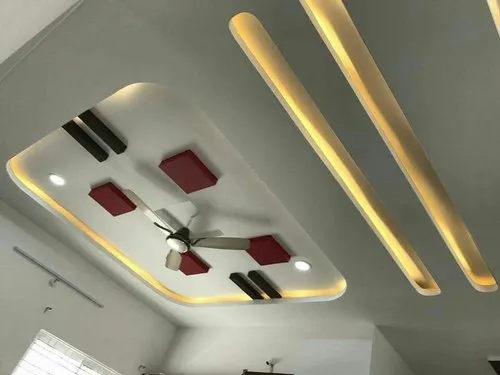
Choosing the right ceiling type depends on the room’s function and environment.
For living rooms, POP ceilings are often preferred because they allow decorative designs and can incorporate recessed lighting, giving a polished, formal look.
In bedrooms, both POP and PVC work well. POP offers style and acoustics, while PVC is low-maintenance and moisture resistant — making either choice suitable based on preference.
For kitchens and bathrooms, PVC ceilings are generally better because they resist moisture, don’t warp with humidity, and are easier to clean.
In shops and offices, PVC is practical where durability and ease of maintenance matter most. POP can be used if aesthetic detail is a priority, but PVC’s quick installation and resilience make it a popular choice for commercial spaces.
Cost Breakdown Example (Real-Life Scenario)
When selecting a ceiling for a 3-bedroom flat, the initial cost is a primary factor. A standard Plaster of Paris (POP) ceiling installation generally costs between ₦550,000 to ₦950,000 for materials and labor. In contrast, a Polyvinyl Chloride (PVC) ceiling is typically more affordable upfront, ranging from ₦400,000 to ₦650,000.
How to Avoid Land Scams in Benin City (2026 Guide for Buyers)
The long-term maintenance cost comparison is important. POP ceilings are susceptible to cracking and may require periodic repairs and repainting. PVC panels are resistant to moisture and easier to clean; individual damaged panels can be replaced without major work. Over a decade, the minimal maintenance of PVC can make it more economical despite its lower initial price, while POP may accrue additional upkeep expenses.
Common Mistakes When Choosing POP or PVC Ceiling
Choosing a ceiling for your home involves more than just aesthetics. A common mistake is deciding based on price alone. While PVC is often cheaper initially, Plaster of Paris (POP) may offer better long-term value in drier areas due to its durability and seamless finish.
Another error is ignoring room moisture conditions. POP can crack in high-humidity areas like bathrooms and kitchens, where moisture-resistant PVC is typically a more suitable material.
Finally, hiring unskilled installers to save costs is problematic. Both materials require precise installation; poor workmanship leads to sagging POP ceilings or uneven PVC panels, creating unnecessary future expenses. Always verify an installer’s proven experience with your chosen material.
Expert Tips for Choosing the Right Ceiling
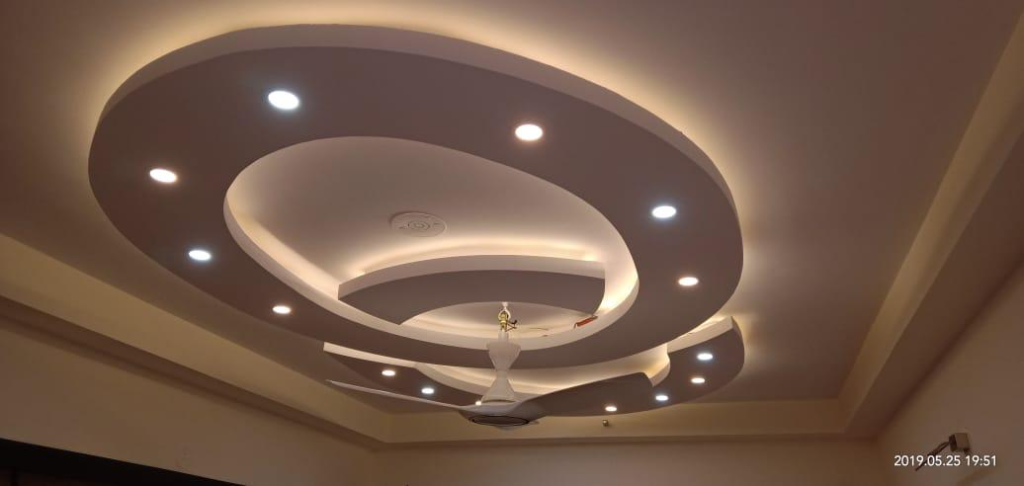
Choosing the right ceiling involves matching the material to your building’s use. For formal living areas in homes or offices, a Plaster of Paris (POP) ceiling offers a classic, seamless finish. For practical spaces like kitchens, bathrooms, or commercial settings, PVC panels are often preferred for their moisture resistance and easy maintenance.
In Nigeria’s humid climate, especially in coastal regions, PVC’s resistance to dampness is a significant advantage. In drier northern areas, POP performs reliably.
For budget planning, account for the complete project cost. Factor in not just material prices, but also professional installation and long-term upkeep to make a truly cost-effective decision.
Conclusion
In summary, Plaster of Paris (POP) ceilings provide a high-end, seamless look suitable for dry, formal living spaces, though they require skilled installation and may need more upkeep. PVC ceilings offer practical benefits like moisture resistance and easier maintenance, making them ideal for kitchens, bathrooms, and humid climates, often at a lower initial cost.
The final choice depends on your specific room usage, local climate, and long-term budget considerations. There is no universally superior option. For the best result tailored to your property, consulting with a qualified building professional is strongly recommended before making a final decision.
FAQs
Is POP ceiling better than PVC?
Neither is universally better. POP offers a seamless, high-end finish for living rooms, while PVC is more practical and moisture-resistant for kitchens and bathrooms.
Which ceiling lasts longer in Nigeria?
With proper installation and in suitable conditions, both can last over a decade. POP may crack in humid areas, while PVC withstands moisture better in coastal regions.
Can a POP ceiling be used in bathrooms?
It is not recommended. Bathroom humidity can cause POP to crack or sag. PVC is the preferred, moisture-resistant material for such high-humidity areas.
Which ceiling is cheaper in Nigeria?
PVC is typically cheaper upfront for both materials and installation. POP has a higher initial cost but may add more aesthetic value to formal spaces.
Does a PVC ceiling fade over time?
Lower-quality PVC panels can fade or yellow when exposed to direct, strong sunlight over several years. Opting for UV-stabilized panels can reduce this effect.
Ready To Start Your Aluminium Project?
Get professional aluminium fabrication, roofing installation, windows, doors, showglass, and custom projects done properly without leakage, weak fittings, or poor finishing.