
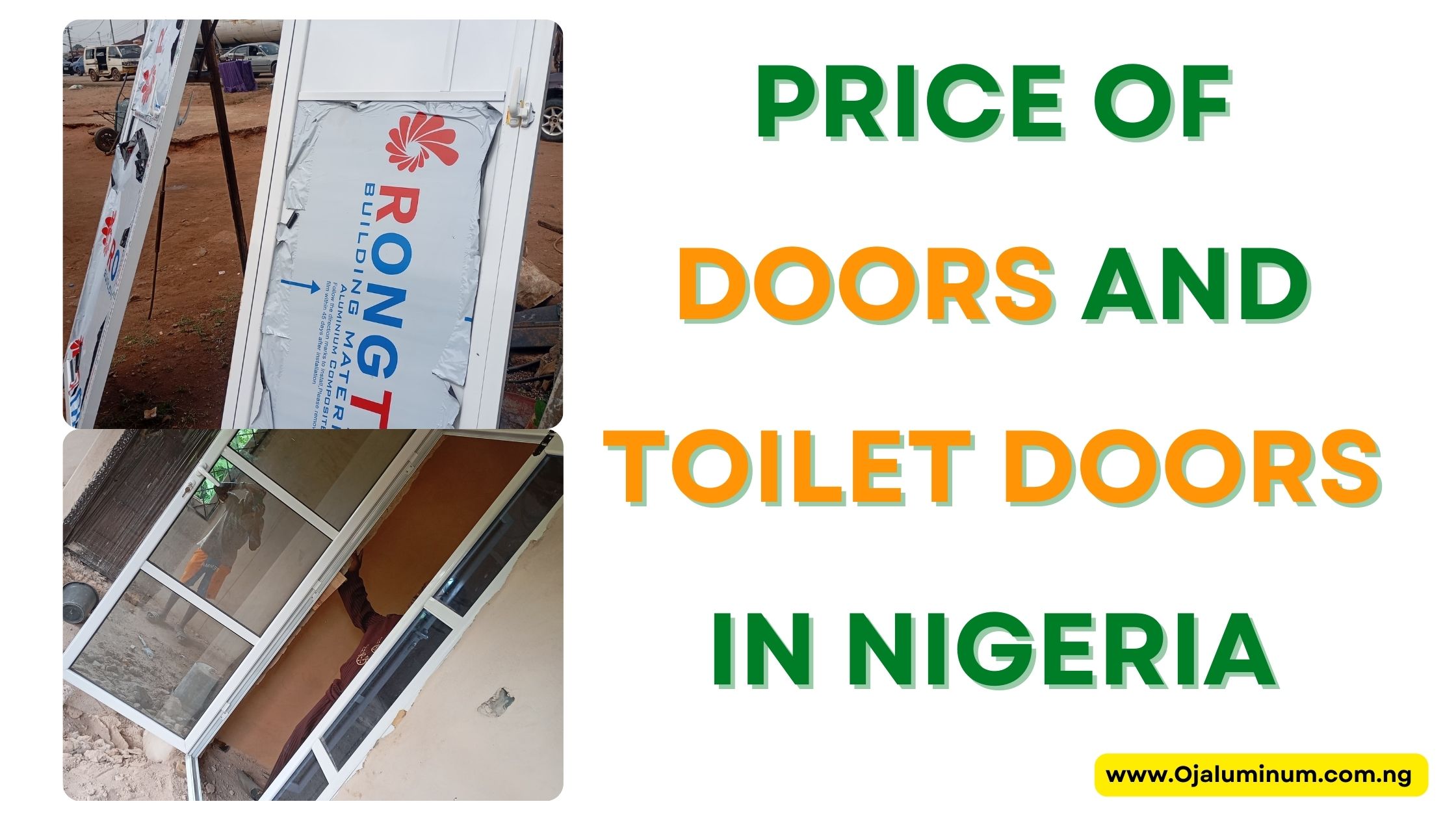
Understanding door pricing matters for homeowners, builders, and interior finishers in Nigeria because it directly affects project budgets and material planning. Doors are essential components of any building, and costs vary widely based on type, materials, size, and installation requirements.
Nigeria’s market offers a variety of door types, including aluminum, wooden, steel security, and glass doors, each serving different functional and aesthetic needs. Knowing current price ranges helps buyers allocate funds accurately and avoid unexpected expenses.
This article provides a complete price breakdown of common door options and offers practical buying tips, helping readers make informed choices based on quality, durability, and value for money
Cost of Aluminum Windows in Benin City (2026 Price Guide)
Types of Doors Commonly Used in Nigeria
Doors used in Nigerian buildings are selected based on location, function, security needs, and exposure to weather or moisture. Broadly, they are grouped into external doors, internal doors, and toilet or bathroom doors, each serving a specific purpose within a building.
1. External / Main Doors
External doors are designed to provide security, durability, and resistance to weather conditions.
Solid wood doors are commonly used for main entrances due to their strength and traditional appearance. They are often produced from dense timber and offer good insulation.
Hardwood doors, made from species such as iroko or mahogany, are valued for durability and resistance to wear, making them suitable for long-term use.
Steel security doors are widely used in urban areas because they offer high resistance to forced entry. They are often combined with multi-point locking systems.
Aluminum framed doors are increasingly popular due to their corrosion resistance, low maintenance, and compatibility with glass panels for modern designs.
2. Internal Doors
Internal doors focus more on privacy, space separation, and interior aesthetics rather than security.
Flush doors are flat-surfaced doors commonly used in bedrooms and offices. They are lightweight, affordable, and easy to maintain.
Panel doors feature raised or recessed panels and are often chosen for their decorative appeal in living areas and bedrooms.
PVC doors are used in some interior spaces due to their moisture resistance and low cost, though they are less rigid than timber options.
Glass doors, including frosted or clear glass types, are used for offices, living areas, or partitions where light transmission is required while maintaining separation.
3. Toilet / Bathroom Doors
Bathroom and toilet doors must withstand moisture, humidity, and frequent cleaning.
PVC molded doors are widely used because they are water-resistant, lightweight, and affordable. They do not swell or rot when exposed to moisture.
UPVC doors offer improved strength compared to standard PVC and provide better insulation and durability in wet environments.
Aluminum framed doors are suitable for bathrooms due to their resistance to rust and ease of maintenance, especially when combined with glass panels.
Timber doors suited for wet areas are usually treated or laminated to reduce water absorption and are used where a wood finish is preferred.
Each door type serves a specific function, and proper selection helps improve durability, safety, and overall building performance.
Factors That Influence Door Prices in Nigeria
Door prices in Nigeria vary due to several practical factors that affect cost and performance. Material quality is a key determinant, with higher wood grades, thicker aluminum profiles, and stronger steel gauges costing more because they offer better durability.
Door size also matters: custom or large doors require more materials and labour than standard sizes, raising the price. Hardware components such as locks, hinges, and handles influence cost, especially when using branded or high-security fittings.
Design complexity, including carved wood, glass inserts, or special finishes, adds to fabrication time and expense. Location and logistics affect pricing too, as delivery to remote areas increases transport costs. Finally, installation charges vary by site conditions and installer experience, impacting overall project budgeting.
Expected Price Ranges for Doors in Nigeria

Understanding current door price ranges helps homeowners, builders, and interior finishers plan accurately and avoid unexpected costs. In Nigeria, door prices mainly vary by type, material quality, security level, and finishing. The tables below present clear, market-aligned price ranges commonly observed across major cities, based on supplier data and building material pricing guides.
1. Main / External Doors
| Door Type | Price Range (₦) |
| Solid Wood Door | ₦90,000 – ₦130,000+ |
| Steel Security Door | ₦90,000 – ₦240,000+ |
| Aluminum Framed Door | ₦90,000 – ₦130,000+ |
External doors cost more due to security requirements, stronger materials, and heavier hardware.
2. Internal / Bedroom Doors
| Door Type | Price Range (₦) |
| Flush Door | ₦65,000 – ₦80,000 |
| Panel Door | ₦70,000 – ₦95,000 |
| PVC Door | ₦60,000 – ₦80,000 |
These doors prioritize functionality, design, and affordability rather than heavy security.
3. Toilet / Bathroom Doors
| Door Type | Price Range (₦) |
| PVC Toilet Door | ₦60,000 – ₦70,000 |
| UPVC Toilet Door | ₦55,000 – ₦80,000 |
| Aluminum Framed Toilet Door | ₦65,000 – ₦90,000 |
Bathroom doors are priced based on moisture resistance and durability. Using this table improves cost comparison, budgeting accuracy, and buyer confidence.
How Material Quality Affects Price
Material quality is one of the strongest factors influencing door prices in Nigeria. Hardwood doors cost more than PVC because hardwood offers higher strength, longer lifespan, and better resistance to impact and wear, especially in high-traffic areas.
Steel doors are priced based on gauge thickness; heavier gauges provide improved security and durability, which raises material and fabrication costs. Aluminum doors are commonly used in toilets and wet areas because aluminum does not rust, swell, or rot when exposed to moisture, making it a durable long-term option.
Glass doors or inserts made from tempered or frosted glass increase overall cost due to additional processing, safety treatment, and compliance with building standards, which improves strength and reduces breakage risks.
Installation Costs You Should Know
Installation costs are an important part of door budgeting in Nigeria and are often separate from the shop-listed price. On average, door installation charges vary based on door type, size, and site conditions, with higher costs for steel or custom-fitted doors.
The shop-sold price usually covers only the door unit, while the installed price includes labor, fittings, alignment, and finishing work. This difference explains why final project costs are often higher than initial estimates. Professional installation is essential for durability and safety, as improper fixing can lead to misalignment, hardware failure, or security weaknesses.
Building professionals and industry guidelines emphasize correct installation to ensure doors perform as intended, meet safety standards, and maintain their expected lifespan.
Where to Buy Quality Doors in Nigeria

When purchasing doors in Nigeria, there are several reliable sources to consider. Major building material markets in Lagos, Abuja, and Benin City offer a wide range of options, including hardwood, PVC, steel, and aluminum doors. These markets allow buyers to compare materials, finishes, and prices in person.
Online platforms such as Jumia, Konga, and Amazon also list doors and door components, providing convenience and access to broader selections. Buyers should check seller ratings and product specifications before purchasing online.
For custom or specialized designs, local fabricators and workshops including joiners and carpentry shops provide tailored workmanship. These professionals can produce doors to precise measurements and preferred materials, often with installation support.
Tips for Choosing the Right Door
Choosing the right door requires attention to both function and long-term performance. The first consideration should be the environment where the door will be installed. Areas exposed to moisture, such as bathrooms and toilets, require materials like PVC, UPVC, or aluminum that resist water damage and warping.
It is also important to balance appearance with durability. While design and finish contribute to interior aesthetics, the core material and construction determine how well the door withstands daily use.
Cost of Property Survey in Benin City (2026 Price Guide)
Buyers should always check hardware quality, including locks, hinges, and handles, as these affect safety and lifespan.
Reputable manufacturers and installers typically provide product warranties, which indicate compliance with recognized building and material standards and offer added protection after purchase.
Common Mistakes to Avoid
One common mistake buyers make is choosing doors based on price alone. Lower-priced doors often use inferior materials that may wear out quickly, leading to higher replacement costs over time.
Another frequent issue is ignoring hardware quality.
Locks, hinges, and handles play a major role in security and durability. Poor hardware can fail even when the door panel itself is strong.
Using unskilled installers is also risky. Incorrect installation can cause misalignment, gaps, and early damage, regardless of door quality.
Finally, many homeowners overlook proper sealing and finishing of exterior doors. Without adequate sealing, doors are exposed to moisture, heat, and pests, which can reduce lifespan and compromise structural performance.
Conclusion
Door prices in Nigeria vary widely depending on material type, size, design complexity, hardware quality, and installation requirements. Main doors, internal doors, and bathroom doors each fall within distinct price ranges influenced by these factors.
While budget is an important consideration, focusing only on upfront cost can lead to reduced durability and higher maintenance expenses over time. A balanced approach that considers material quality, suitable hardware, and professional installation offers better long-term value.
To avoid costly mistakes and inaccurate estimates, homeowners and builders are advised to consult experienced suppliers, fabricators, or installers who can provide reliable guidance and precise quotations based on project requirements.
FAQ
How much is a standard PVC toilet door in Nigeria?
A standard PVC toilet door in Nigeria typically costs between ₦60,000 and ₦75,000, depending on thickness, design, brand, and the seller’s location.
Are aluminum toilet doors better than PVC?
Aluminum toilet doors are generally more durable and moisture-resistant than PVC, but PVC doors remain a cost-effective option for low-traffic bathrooms.
How much does professional door installation cost in Nigeria?
Professional door installation in Nigeria usually ranges from ₦10,000 to ₦30,000 per door, depending on door type, site conditions, and installer expertise.
What is the cheapest durable door for a bathroom?
PVC molded doors are the cheapest durable option for bathrooms, as they resist moisture, do not rot, and require minimal maintenance.
Can I upgrade my flush door to a security door?
Yes, a flush door can be upgraded to a security door, but it usually requires frame modification, stronger hinges, and proper professional installation.
Ready To Start Your Aluminium Project?
Get professional aluminium fabrication, roofing installation, windows, doors, showglass, and custom projects done properly without leakage, weak fittings, or poor finishing.