
A cordless impact driver is a compact power tool that combines rotational force with rapid percussive impacts to drive screws and fasteners efficiently. Unlike standard drills, these tools deliver high torque through quick bursts of power, making them essential for driving long screws into tough materials like hardwood or pressure-treated lumber. Powered by rechargeable lithium-ion batteries, cordless models offer portability and convenience for both on-site work and home projects.
These tools matter significantly for DIYers, builders, and professionals because they reduce work time and physical strain while handling demanding fastening tasks. The compact design allows access to tight spaces, while the percussive action minimizes wrist fatigue during extended use. For professionals working on construction sites and enthusiastic DIYers tackling furniture builds or deck projects, impact drivers provide the necessary power and efficiency that standard drills cannot match.
This guide will walk you through top-performing impact driver models, key features to consider such as torque ratings and battery capacity, and practical buying tips to help you select the right tool for your specific needs and project requirements.
Why Choose a Cordless Impact Driver Kit
Cordless impact driver kits offer clear advantages for anyone working with fasteners. The battery-powered design eliminates cords, allowing you to move freely around job sites, work in tight spaces, and reach overhead areas without managing extension cables or searching for outlets.
Compared to drill drivers, impact drivers deliver substantially higher torque through rapid percussive bursts. Standard drills typically produce between 500 and 800 inch-pounds of torque, while impact drivers generate 1,500 to 4,000 inch-pounds. This extra power helps drive long screws into dense materials without stripping heads or causing wrist fatigue. The hammer-and-anvil mechanism inside prevents cam-out and bit slippage during heavy use.
These tools handle various materials effectively. They drive screws into hardwood, pressure-treated lumber, and metal framing with ease. Many models can work with concrete screws using appropriate bits, though concrete applications often require pilot holes first. The compact size and powerful output make them practical for deck building, cabinet installation, and automotive repairs.
Cost of Property Survey in Benin City (2026 Price Guide)
Common applications include construction framing, where workers drive hundreds of fasteners daily. Automotive mechanics use them for bolts and panel screws. Home renovators rely on them for furniture assembly, drywall installation, and general repair projects.
Key Features to Consider Before Buying
Choosing the right cordless impact driver kit requires careful consideration of several technical specifications and practical features. Understanding these elements helps match the tool to specific job requirements and usage patterns.
Battery Type and Voltage
Cordless impact drivers typically operate on 12V, 18V, or 20V battery systems. Battery voltage affects both power output and tool weight. Lower voltage models around 12V work well for light-duty tasks like furniture assembly and general home maintenance. They offer better maneuverability in confined areas and reduce arm fatigue during extended use.
The 18V and 20V systems deliver higher torque for demanding applications such as deck construction or heavy framing work. These batteries contain the same lithium-ion cells arranged in groups of five, with voltage ratings based on either nominal or maximum charge levels. Modern lithium-ion batteries provide consistent power delivery throughout the discharge cycle and recharge faster than older battery technologies.
Torque and Speed
Torque measurements indicate the rotational force an impact driver produces, typically ranging from 1,500 to 2,500 inch-pounds for professional models. Higher torque enables the tool to drive larger fasteners into dense materials without stalling. Speed specifications include both RPM and impacts per minute. Higher RPM values improve performance on standard fastening tasks, while increased impact rates help when working with resistant materials. Brushless motors enhance these specifications by delivering 15 to 35 percent more power compared to brushed designs.
These motors adjust power output based on load conditions, running cooler and requiring no brush replacement. The electronic controls in brushless systems sense when the motor begins to slow under load and automatically increase power delivery.
Kit Components
Complete kits include the driver body, one or two batteries, a charger, and sometimes a carrying case. Battery capacity measured in amp-hours determines runtime between charges. Higher amp-hour ratings provide longer operation but add weight to the tool. Fast chargers can fully recharge batteries in 30 minutes to one hour. Some kits include assorted driver bits, though professional users often purchase separate bit sets suited to their specific applications. Cases protect the investment and keep components organized during transport.
Ergonomics and Weight
Tool weight significantly impacts user comfort during prolonged use. Compact 12V models weigh around two pounds, while 20V versions range from three to five pounds depending on battery size. Grip design affects control and reduces hand strain. Textured rubber grips improve purchase and dampen vibration. Well-balanced tools place the center of gravity near the grip, making overhead work less tiring.
Durability and Warranty
Construction quality varies across brands and price points. Metal gear housings withstand impacts better than plastic components. Professional-grade models feature sealed electronics that resist dust and moisture. Warranty periods range from 90 days for budget brands to five years or lifetime coverage from premium manufacturers. Extended warranties indicate manufacturer confidence in product longevity. Major brands like Milwaukee, DeWalt, and Makita offer extensive dealer networks for service and support. Reading customer reviews provides insight into real-world reliability beyond warranty terms.
Best Cordless Impact Driver Kits (2026 Top Picks)
Based on comprehensive testing data from multiple professional tool review sources, here are the top cordless impact driver kits for 2026:
Best Overall: Milwaukee M18 Fuel 2953
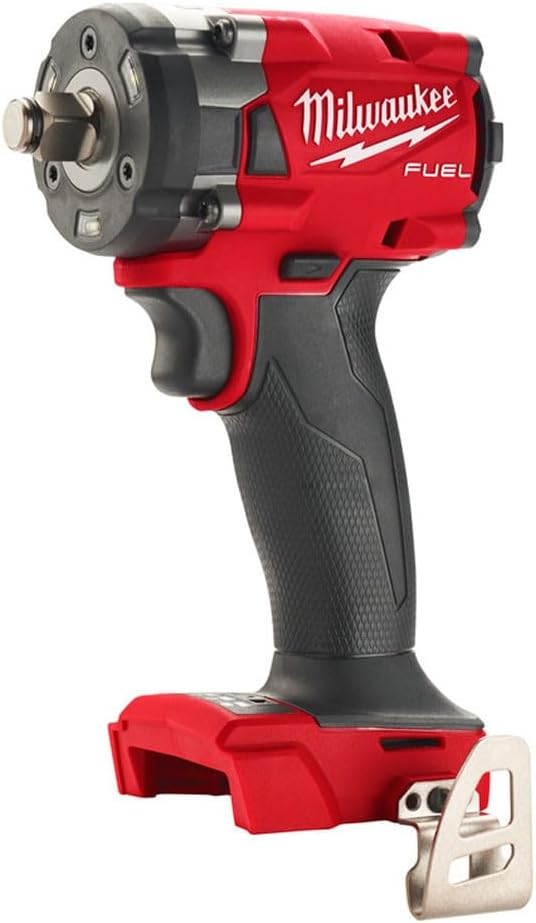
The Milwaukee M18 Fuel 2953 delivers 2,000 inch-pounds of torque with speeds reaching 3,900 RPM and 4,400 impacts per minute. This fourth-generation model features a brushless motor and measures just 4.47 inches in length while weighing 2.2 pounds bare. The tool includes four-speed drive control modes and tri-LED lighting that eliminates shadows around the work area.
One-hand bit insertion simplifies bit changes without requiring two hands. Testing shows consistent top performance across various fastening applications, from drywall screws to lag bolts.
The kit typically includes the driver, two 5.0Ah batteries, charger, and case for around $299. Milwaukee backs this with a five-year tool warranty and three-year battery coverage. Professional contractors appreciate the compact design for tight spaces while maintaining power for heavy-duty applications like deck framing and automotive work.
Best Budget Choice: DeWalt DCF850 Atomic
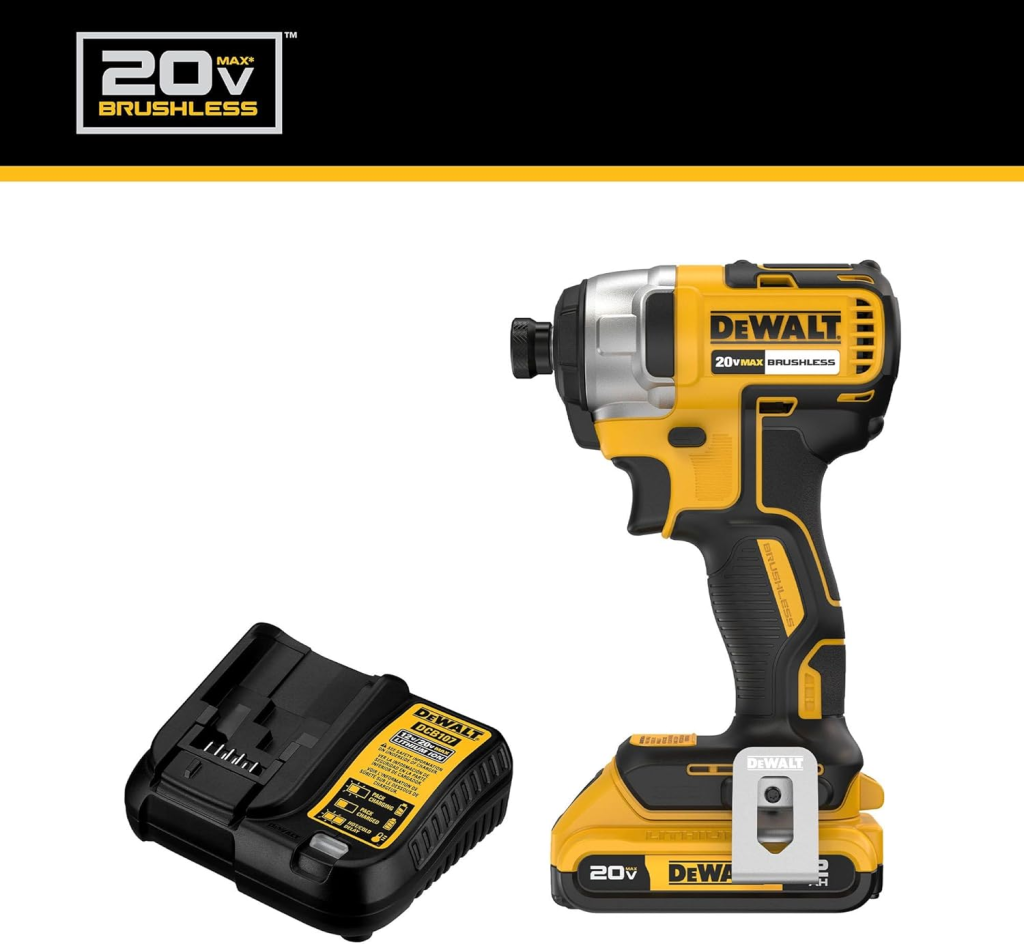
The DeWalt DCF850 Atomic offers professional-grade performance in an ultra-compact package measuring just 3.97 inches. Despite its small size, this model delivers 1,825 inch-pounds of torque with speeds up to 3,250 RPM. The brushless motor provides three speed settings plus a variable speed trigger for control. A three-LED halo light ring illuminates work areas effectively.
Budget kits start around $199 with a 5.0Ah battery, charger, and bag. The compact design allows access to spaces where standard drivers cannot fit, making it valuable for cabinet installation and tight framing work. Testing shows it performs within half a second of larger flagship models on most tasks. DeWalt provides a three-year warranty. This represents strong value for DIYers and professionals who need portability without sacrificing too much power.
Best for Professionals: Flex 24V Quick Eject FX1371
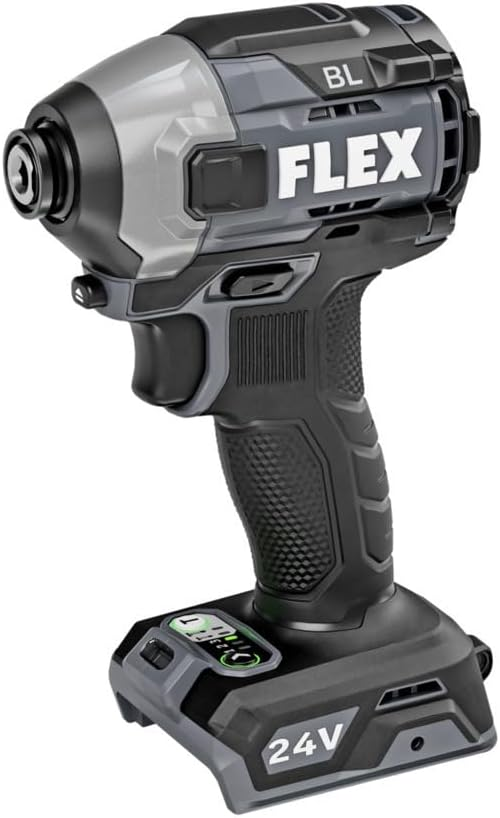
Professional testing consistently ranks the Flex 24V as the highest-performing impact driver available. It delivers exceptional torque that maxes out professional-grade torque wrenches during testing. The tool uses Stacked Lithium battery technology for sustained high performance under demanding loads. Quick Eject technology allows rapid bit changes with a button press above the trigger, keeping hands on the handle.
The trade-off for this power is increased size and weight compared to compact models. Professional contractors working in construction framing, timber work, and applications requiring maximum fastening power benefit most from this model. Pricing for kits typically runs higher than consumer-grade options, reflecting the professional-grade construction and performance capabilities.
Best Mid-Range Option: Makita XDT16
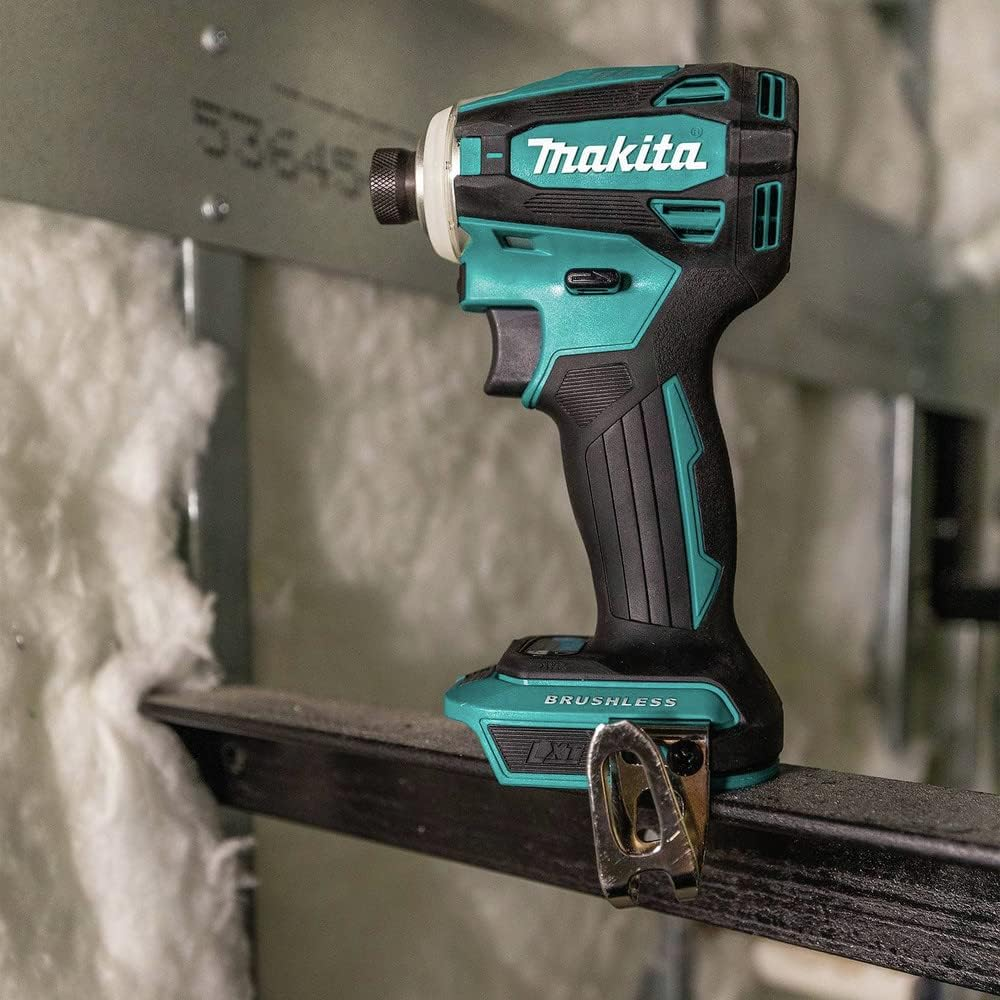
The Makita XDT16 balances performance, features, and value effectively. This 18V model delivers 1,600 inch-pounds of torque at speeds up to 3,600 RPM while maintaining a compact 4.56-inch length and 1.9-pound weight. What sets this driver apart are advanced control features including four standard speed modes, assist mode to prevent cam-out, two tightening modes for self-drilling screws, and reverse auto-stop.
Quick-Shift mode automatically adjusts speed and torque balance for efficient fastening across different materials. The one-hand bit insertion system and dual-position LED lights enhance usability. Bare tool pricing around $195 makes it accessible, while kits with 5.0Ah batteries run approximately $319. Professional reviewers consistently praise the control and versatility, making it suitable for both precision cabinet work and heavy construction applications. Makita’s reputation for durability and the tool’s compatibility with the extensive 18V LXT system add long-term value.
Best for DIY Enthusiasts: DeWalt DCF850 Atomic
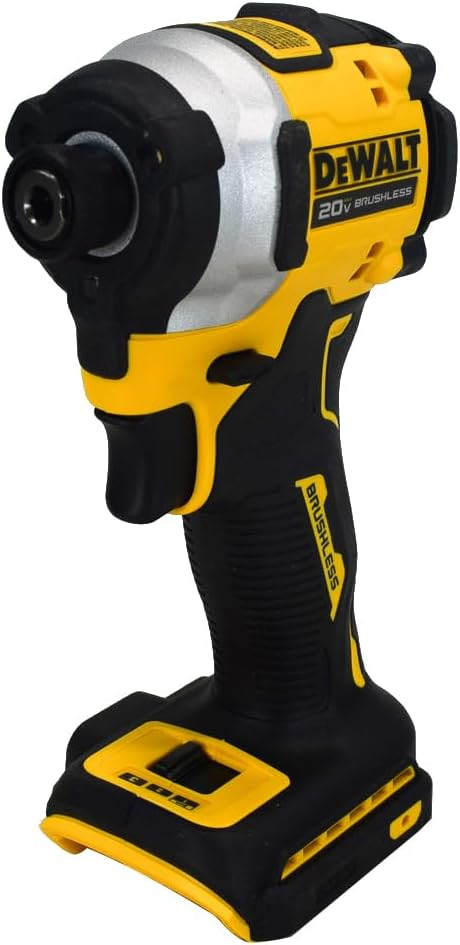
For home improvement enthusiasts, the DeWalt DCF850 Atomic excels with its combination of compact size, adequate power, and reasonable pricing. The ultra-compact design makes overhead work and confined spaces manageable without professional-level bulk. Three speed settings provide enough control for furniture assembly, deck building, and general repairs without overwhelming complexity.
The kit includes everything needed to start working immediately. Home Depot frequently offers promotional bundles with extra batteries, improving value further. The tool handles common DIY tasks like hanging cabinets, building shelves, and assembling furniture with ease while remaining light enough for extended use without fatigue. DeWalt’s widespread service network and parts availability provide peace of mind for occasional users who may need support.
Cordless Impact Driver vs Drill Driver
Understanding the difference between these two tools helps you pick the right one for each job.
A drill driver uses its motor and gearing to provide steady, constant torque. When it reaches the limit of its power, it simply stops and the motor shuts off.
That steady action makes it well-suited for drilling precise holes and driving smaller screws where control matters more than raw force. The clutch on a cordless drill driver allows you to reduce the amount of torque applied to a screw so that when that limit is reached, the clutch slips and the chuck stops rotating — valuable when working with drywall or softwood to avoid overdriving.
An impact driver uses a combination of rotation and concussive force to drive fasteners quickly and efficiently. When an impact driver meets resistance while driving a fastener, it begins to apply blows that create bursts of torque in the direction of rotation and power the fastener through the resistance.
In practical terms, reach for the drill driver when boring holes, driving small screws, or working with delicate materials. Choose an impact driver when driving long screws into lumber, installing lag bolts, loosening stubborn fasteners, or handling repetitive fastening tasks like building a deck or installing drywall.
Both tools serve different purposes, and having one of each covers nearly every fastening situation you will face on a job site or home project.
Battery Guide
Battery performance is one of the most practical factors in choosing a cordless impact driver kit.
Amp hours, or Ah, measure how long an impact driver’s battery will last before needing a recharge. The higher the Ah rating, the longer the battery will last.
Think of the volts as the power of the engine and the amp hours as the size of the fuel tank. A standard 1.5Ah or 2.0Ah battery handles light tasks, while a 4.0Ah or 5.0Ah pack extends runtime considerably for heavy job-site use.
Fast chargers can recharge batteries in one to two hours, while basic chargers take three to four hours. Models with rapid-charge technology make a meaningful difference on full workdays when downtime matters.
The disadvantages of higher amp-hour batteries are increased cost and longer recharge times. With most tools, a 1.5-amp-hour or 2.0-amp-hour battery comes standard. If the aim is to maximize runtime, buy a spare with a higher amp-hour rating.
For folks who use their driver at the job site and take it on the go, having a long-lasting battery and a spare handy is incredibly important. For those using a driver for home projects with easy access to charging, battery life may be less crucial to finishing a project. In short, a second battery is worth the investment for frequent users and a smart backup for occasional ones.
Tips for Maintaining Your Impact Driver
A well-maintained impact driver performs better and lasts significantly longer. A few simple habits make a real difference over time.
After each use, dirt, debris, and dust can accumulate on the tool, affecting performance over time. Use compressed air to remove dust from vents and crevices, and wipe down the surface with a dry or slightly damp cloth. Keeping the exterior clean prevents grime from working into internal components.
The chuck requires particular attention. Apply standard lubricating oil to the inside of the chuck and use a cloth to work it into the outer surface. This keeps bit changes smooth and prevents corrosion on contact points.
For battery care, avoid storing it fully charged or fully dead for extended periods, as either extreme reduces capacity over time. Store the pack at roughly half charge in a cool, dry location away from direct sunlight and metal objects that could cause a short.
When storing for an extended period, remove the battery from the tool entirely to prevent leakage or gradual discharge. Keep the tool itself in a dry environment to prevent rust and corrosion, and store it in its original case when possible.
These steps take only a few minutes but protect a tool that sees regular, demanding use.
Conclusions
Choosing the right cordless impact driver comes down to understanding your specific needs and matching them to the right tool. The Flex 24V Quick Eject FX1371 leads overall performance testing, with the Milwaukee M18 Fuel 2953 ranking as a strong runner-up across multiple independent evaluations.
The DeWalt Atomic DCF850 rounds out the top tier of consistent performers, delivering reliable results across real-world fastening tasks.
A few key takeaways stand out from this guide. Brushless motors offer longer tool life and better power efficiency. Battery voltage should match your workload, with 18V to 20V systems handling most professional and demanding home tasks. A spare battery eliminates costly downtime on full workdays.
For any job involving driving more than a few screws, an impact driver delivers meaningful advantages in both power and speed over a standard drill.
Whether you are building a deck, framing walls, or tackling weekend home repairs, there is a model suited to your budget and skill level. Focus on torque rating, motor type, and kit contents before buying, and you will make a confident, informed choice that serves you well for years ahead.
FAQs
What size impact driver do I need?
For light home projects, a 12V model works well. For construction or heavy fastening tasks, an 18V or 20V driver handles the job more reliably.
Are brushless motors worth the extra cost?
Yes. Brushless motors run cooler, last longer, and deliver 15 to 35 percent more power than brushed models, making them worthwhile for regular use.
How long do batteries typically last?
With proper care, lithium-ion batteries last three to five years or around 500 charge cycles before capacity noticeably decreases during normal use.
Can impact drivers be used with power drills?
No. Impact drivers use hex shank bits only. They are not designed for standard drill chucks or hole-boring bits used in conventional drills.
Are cordless impact drivers good for professional use?
Absolutely. Professionals rely on them daily for construction, automotive, and renovation work due to their high torque output, portability, and consistent performance under demanding conditions.
Ready To Start Your Aluminium Project?
Get professional aluminium fabrication, roofing installation, windows, doors, showglass, and custom projects done properly without leakage, weak fittings, or poor finishing.